If you package powders, granules, or pellets — cement, fertilizer, feed, chemical powders, plastic resins — you have probably asked your packaging supplier this question: should we switch to FFS bags, or keep using open mouth bags?
Both are workhorses of industrial packaging. Both can handle 25–50 kg loads. But they solve different problems. FFS bags are made on your filling line, from a continuous roll of film. Open mouth bags are pre-made bags that arrive sealed at one end, ready to be filled.
This guide breaks down the real differences — filling speed, dust control, seal quality, cost — and gives you a simple decision framework.
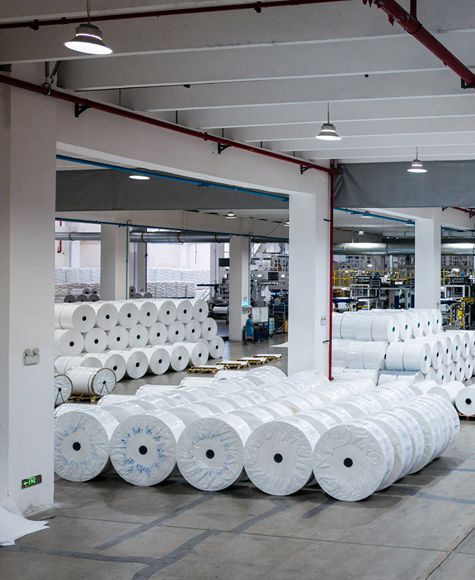
FFS stands for Form-Fill-Seal. Instead of buying finished bags, you buy a roll of tubular film. The FFS machine:
The entire process happens in one continuous operation. This is why FFS is the fastest-growing technology in heavy-duty packaging — since it was introduced in the 1970s, it has been steadily replacing pre-made bags on high-volume lines.
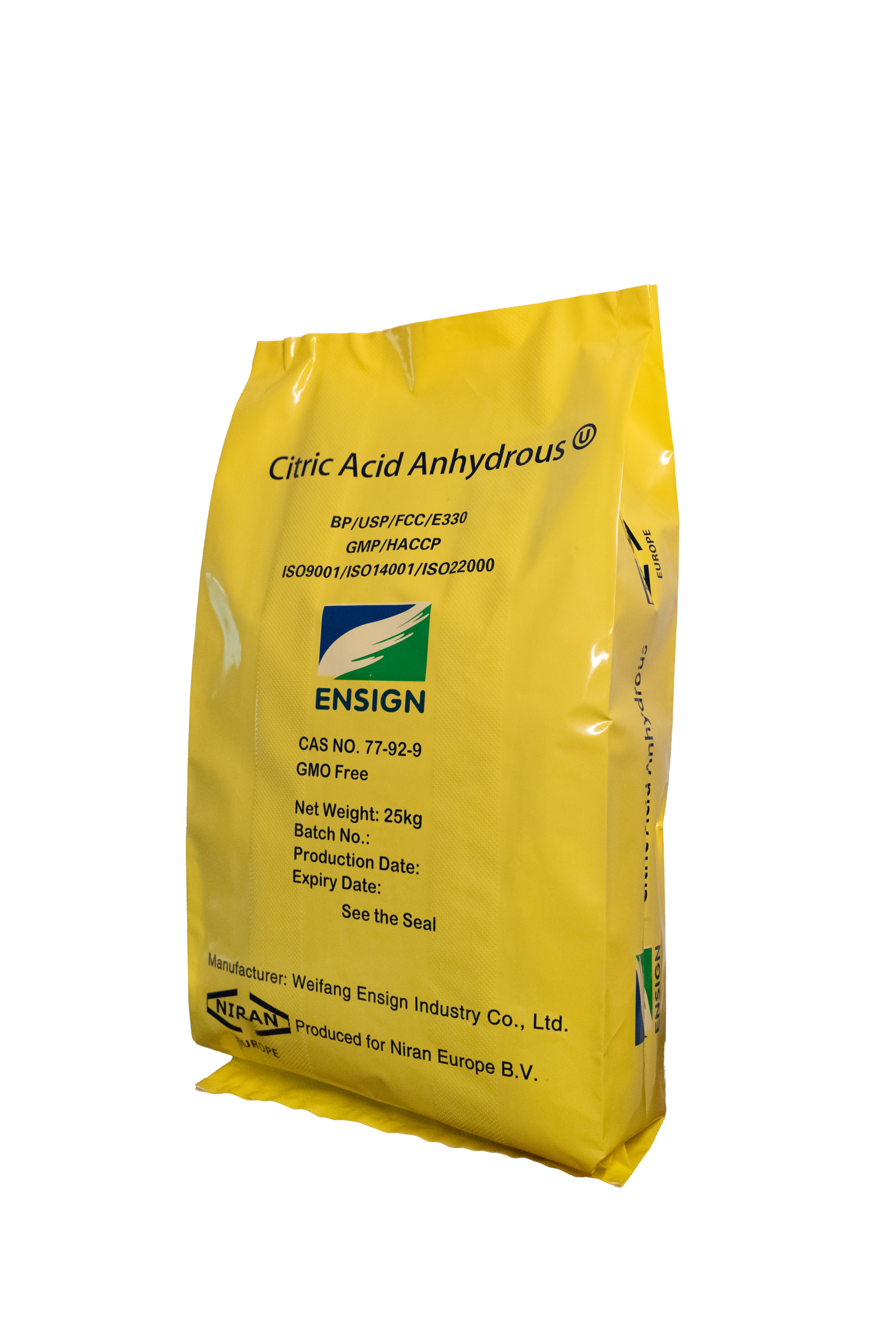
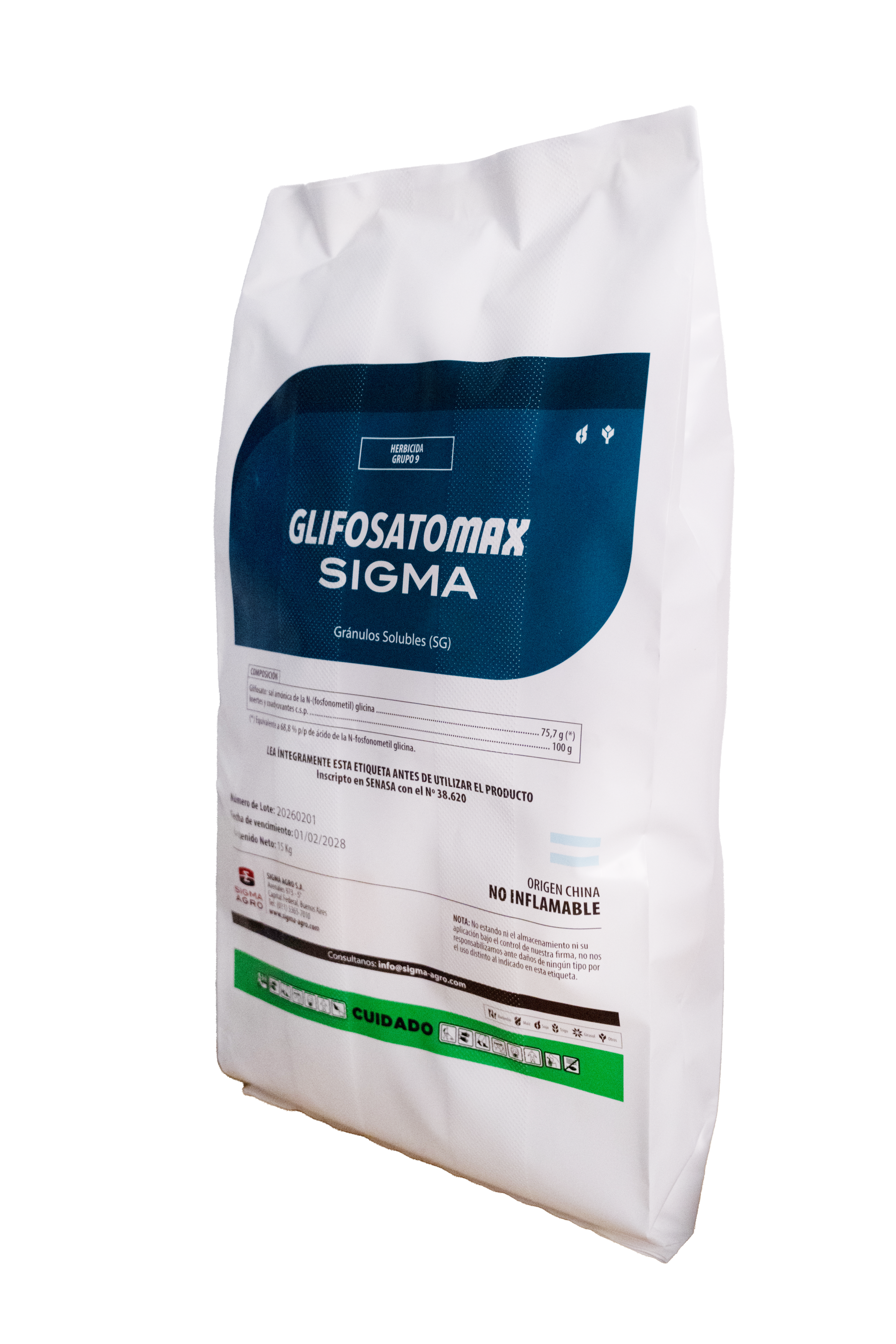
An open mouth bag is a pre-made bag with one end sealed (the bottom) and one end open. You fill it from the top — manually or on a filling line — then close it by heat sealing, sewing, or gluing.
Open mouth bags are the classic, flexible workhorse: simple, low upfront cost, and compatible with almost any filling setup.
| Factor | FFS Bag | Open Mouth Bag |
|---|---|---|
| Bag supply | Film roll, bags made on line | Pre-made, delivered finished |
| Filling speed | Very high (2,000+ bags/hour on automated lines) | High (900–1,500/hour typical on automated lines) |
| Labor cost | Lowest — one operator supervises the line | Higher — more handling steps |
| Dust control | Sealed in-line; low dust escape | Depends on filling method; may need dust extraction |
| Seal quality | Full-width heat seal, very consistent | Varies by closure method (heat seal / sew / glue) |
| Bag cost | Lower (no conversion step, less material waste) | Higher per bag (extra manufacturing step) |
| Flexibility | Needs an FFS machine investment | Works with manual or existing filling equipment |
| Storage | Rolls are compact | Finished bags take up warehouse space |
| Printing | High-quality flexo/gravure on roll stock | Possible, but an extra step |
If your line runs thousands of bags a day, the difference is dramatic. FFS systems are designed for continuous high-speed operation — the machine forms, fills, and seals in one pass, with one or two operators supervising. Many producers report significant labor savings after switching.
Open mouth lines still fill fast, but each bag has to be handled more: opened, filled, closed, and sealed. That is extra labor and extra failure points.
For dusty products — cement, carbon black, pigments, fine chemicals — FFS is generally cleaner. The bag is formed around the product, so there is less free dust at the filling station. Open mouth filling (especially with spouts or augers) often needs dust extraction equipment on site.
FFS bags get a full-width heat seal at both ends, made by the same machine every time. Consistency is excellent. Open mouth bags depend on how you close them — heat sealing gives good results; sewn closures leave needle holes that can let moisture in.
Per bag, FFS is usually cheaper: there is no separate bag-converting step, film usage is optimized, and rolls are cheaper to ship and store than finished bags. The trade-off is the upfront investment in an FFS machine.
If you are comparing total cost, include the machine amortization, labor savings, and reduced warehouse space.
Choose FFS if you:
Industries that typically favor FFS: fertilizer plants, cement and building materials, feed mills, polymer producers, chemical manufacturers.
Choose open mouth bags if you:
Open mouth bags — whether heavy-duty PE open mouth bags or paper-plastic composite open mouth bags — remain the most flexible option on the market.
There is a hybrid worth knowing: FFS lines can also produce bags with a valve for even cleaner, dust-free filling of fine powders. If dust control is your top concern, ask your supplier about FFS systems with valve filling.
Because the FFS machine forms bags at high speed, film quality is everything. Look for:
A reliable FFS film supplier will help you match film structure (thickness, layer configuration) to your product and machine.
Are FFS bags cheaper than open mouth bags?
Usually yes, per bag — less material waste and no separate conversion step. The total comparison must include the FFS machine investment.
Can FFS handle fine powders?
Yes, especially with valve filling or micro-perforated film for very fine powders.
Do FFS bags protect against moisture?
Very well — full-width heat seals and co-extruded film structures give strong moisture protection, and barrier layers (like foil) can be added for sensitive products.
Can I print on FFS bags?
Yes, film rolls can be printed with high-quality flexo or gravure before delivery.
Not sure whether FFS or open mouth bags fit your line? Tell us your product, filling speed, and target bag weight, and we will recommend the right solution — contact JiangMei Packaging, a heavy-duty packaging manufacturer since 1996.