Moisture is one of the biggest threats to many industrial products. Powders, chemicals, electronics, and food ingredients can all be damaged by humidity. That is why choosing the right moisture barrier packaging is critical.
Two common solutions are aluminum foil barriers and PE liners. Both protect against moisture, but they work in different ways and suit different products.
Excess moisture can cause:
For products like fertilizers, chemicals, food powders, and pharmaceutical ingredients, moisture protection is not optional — it is essential.
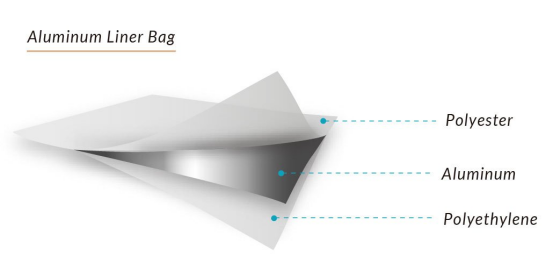
An aluminum foil barrier is a packaging layer made from aluminum foil, often laminated to plastic films like PET or PE. It provides an extremely high level of protection against moisture, oxygen, light, and odors.
Aluminum foil is commonly used in:
Because aluminum foil blocks almost all moisture and gas transmission, it is the best choice when maximum protection is needed.
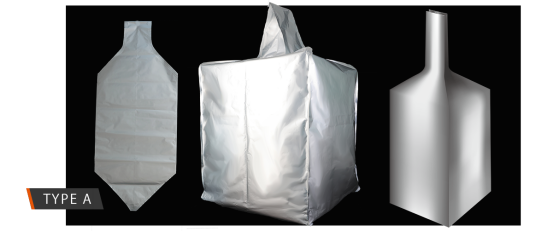
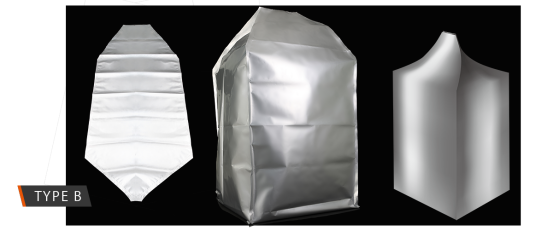
A PE liner is a layer of polyethylene film placed inside a bag. It creates a moisture-resistant barrier and is often used inside paper bags, woven bags, or FIBC bulk bags.
PE liners are flexible, cost-effective, and easy to seal by heat. They are commonly used when moderate moisture protection is enough.
Aluminum foil provides the highest level of moisture barrier. It blocks nearly all water vapor and oxygen, making it ideal for sensitive products.
PE liner provides good moisture resistance but is not completely impermeable over long periods. It is suitable for short-to-medium storage and transport.
Aluminum foil is more expensive because of the material cost and multi-layer lamination process.
PE liner is more economical and is a good choice when cost control is important.
PE liner is more flexible and easier to heat-seal. It can be shaped to fit inside many types of bags.
Aluminum foil is stiffer and requires careful sealing to maintain the barrier. Any pinhole or weak seal can reduce its effectiveness.
Aluminum foil is best for:
PE liner is best for:
|
Property |
Aluminum Foil |
PE Liner |
|
Moisture Barrier |
Excellent |
Good |
|
Oxygen Barrier |
Excellent |
Limited |
|
Light Barrier |
Yes |
No |
|
Cost |
High |
Low |
|
Flexibility |
Low |
High |
|
Heat Sealability |
Medium |
Excellent |
|
Recyclability |
Limited (multi-layer) |
High (single material) |
|
Typical Use |
Pharma, food, sensitive chemicals |
Fertilizer, agriculture, minerals |
Choose aluminum foil barrier packaging if:
Choose PE liner packaging if:
Aluminum foil provides the strongest moisture and oxygen barrier. PE liner is the most cost-effective option. The right choice depends on product sensitivity, transport distance, and budget.
Yes. Many high-performance bags use a laminated structure that combines aluminum foil with PE or PET layers for both barrier performance and sealing strength.
A PE liner is highly water-resistant but not 100% waterproof over long periods. It is suitable for most industrial packaging needs but may not be enough for highly sensitive products.
For food powders and ingredients that need long shelf life, aluminum foil is usually the better choice. For dry food with short-to-medium shelf life, PE liner is sufficient.
Recyclability depends on the laminate structure. Pure aluminum foil is recyclable, but laminated aluminum-PET bags are harder to recycle. PE liners are easier to recycle.
Both aluminum foil and PE liners offer effective moisture protection, but they serve different needs. Aluminum foil gives maximum barrier performance for sensitive, high-value products. PE liner gives practical, affordable protection for everyday industrial applications.
At Jiangmei Packaging, we offer both aluminum foil barrier bags and PE-lined bags. Our team can help you choose the right moisture barrier based on your product, transport conditions, and budget.
Not sure which moisture barrier you need? Share your product details and destination market, and we will recommend the best solution within 24 hours.
Related Posts:


